automacao
19 published postsPosts about automacao

Claude Fable 5.2 vs Gemini 4 Carbon: True Agent Swarm Cost
Pricing, prompt caching, and latency analysis comparing Claude Fable 5.2 and Gemini 4 Carbon to route hybrid AI agent swarms without blowing your budget.
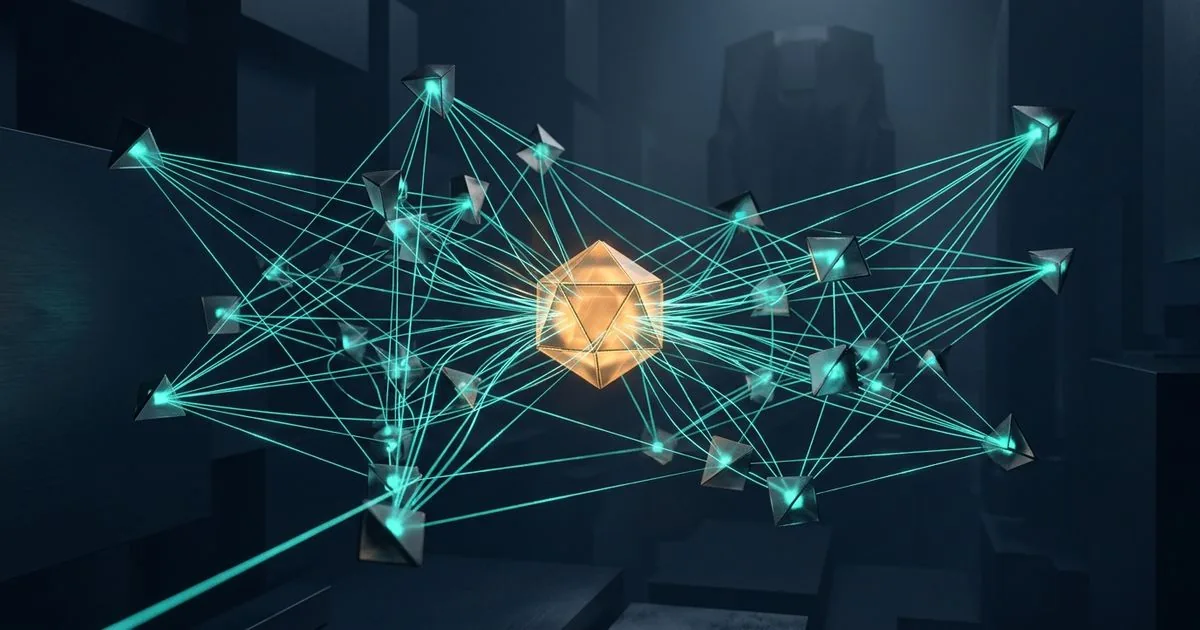
Gemini 4 Carbon: The Shift from Chat Models to Agent Swarms
Technical analysis of Gemini 4 Carbon: agent swarm architecture, engineering benchmarks, 1M token context with adjustable thinking, and real inference costs.
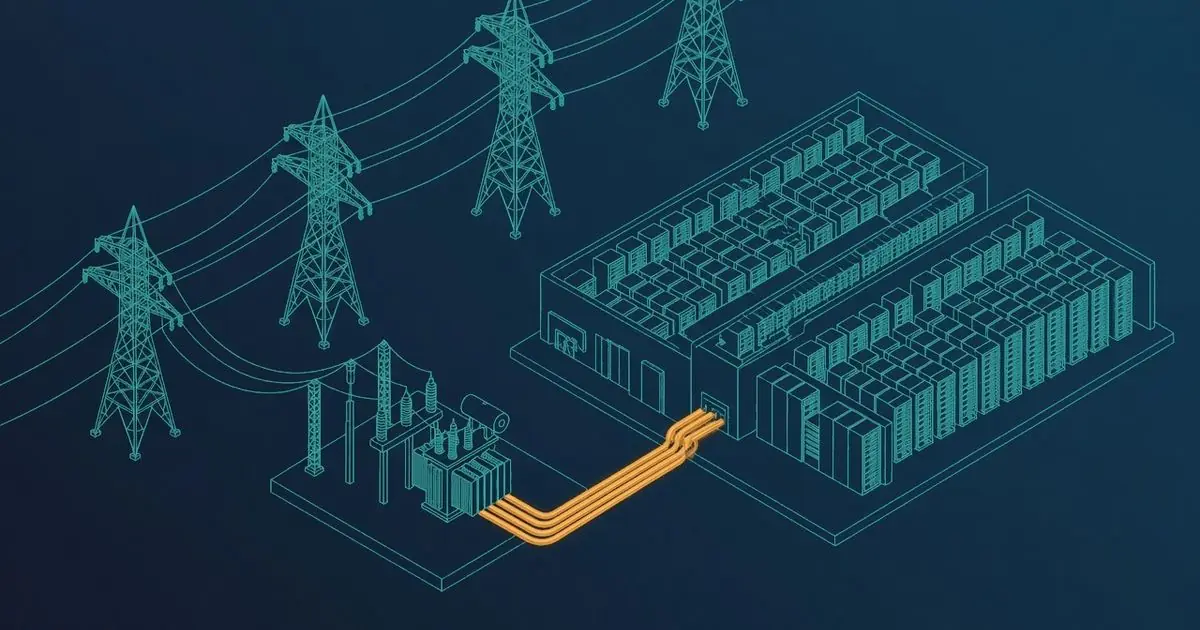
Brazil's AI bottleneck is not GPUs. It is the queue on the basic transmission grid
Data-center connection requests and access opinions on the national grid: how to read the EPE, ONS and press numbers without treating a queue as installed capacity.

The WhatsApp bill with AI: what Meta charges and what to automate
Since August, Meta charges tokens on the Business Agent; since October, service and utility too. What to automate, what to keep human, and how to run the numbers.

Three “flying cars” in five days: what each announcement actually proved
Tesla, Eve and Archer filled the news in the same week. What each one proved, and what is still missing before a passenger can board.

Switching simulator: a technical case of an interlocking engine
79 thousand lines of JavaScript, 1,371 tests and an engine that fails closed: how the simulator rehearses substation switching, and what is still missing.
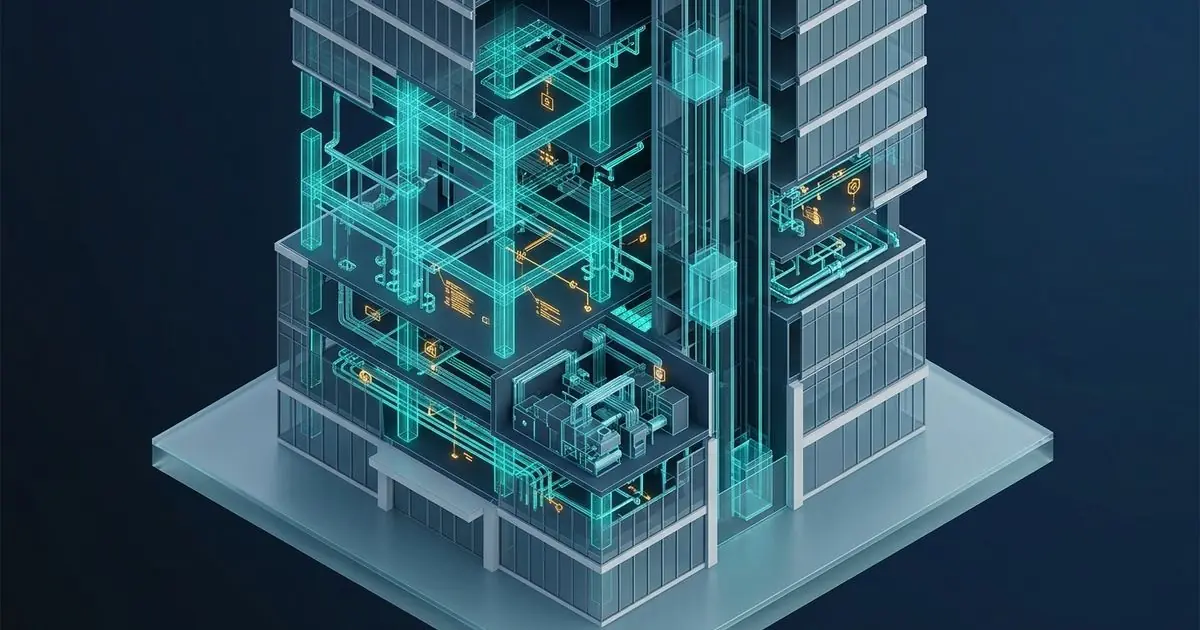
VE Facilites: a technical case of a building-maintenance pilot
A pilot with no contracted client: a Java API, a Flutter field app and a PDF report that refuses to invent data. What works, and what is still a mockup.

Technology is speeding up: how to keep up without getting lost
AI advances, shifting skills and no time to learn: what the research shows, and how to choose what deserves attention.

SIGCOT: a technical case of a transmission-operations system
205 thousand lines of code, 5,580 tests and the move from Access to SQL Server while operations kept running: what worked, what broke, and the rules that stayed.

RPA vs. AI agents: the turn toward agentic automation
How traditional RPA differs from agentic process automation, where the engineering limits are, and how a hybrid model works in practice.
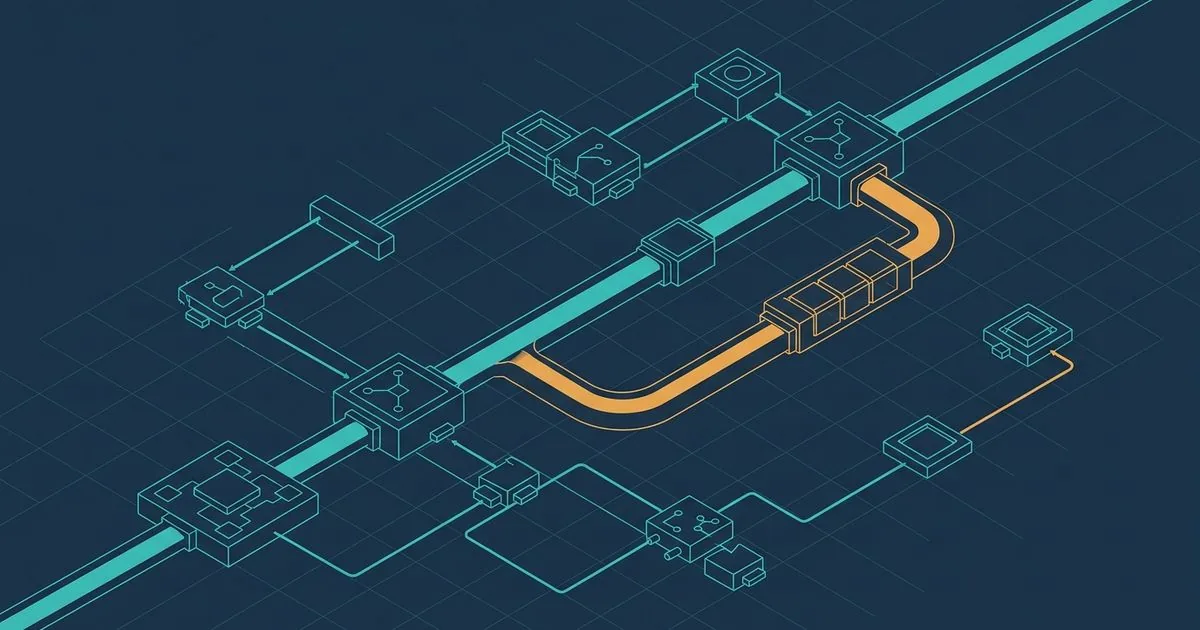
Resilient automation: why flows fail in silence
The biggest danger of an automatic flow is not an error message. It is failing quietly. How to design retry, a dead-letter queue, a sentinel and a human alert.

94% fewer serious crashes: how to read the number
Waymo measures its own safety and publishes the raw data. Four questions turn that percentage into a number you can compare.

An exposed industrial controller: the attack that silenced the alarm
Seven U.S. agencies documented attacks on industrial controllers in 2026. No exploit was cited. The equipment only had to be reachable.

An agent harness: the gates that stopped a real error on this blog
An agent is a model plus a harness. The layer that decides quality is verification: the gates that already blocked a real error here, and the errors no gate catches.

What one multi-agent cycle costs: 6.67 million tokens
I opened the bill of an AI-agent cycle, round by round: where the tokens went, what the cheap gate saved, and why the dollar figure is a range.

n8n as an MCP server: when the agent calls your workflow on its own
Exposing workflows as AI tools reverses who presses the button. What changes in practice, what the MCP spec forbids, and what to check before you turn it on.

Why AI agents break outside the lab
Frontier models finish fewer than 25% of real professional tasks. The bottleneck is not intelligence. It is ambiguity, context and a trail, and those can be treated.

EscalaOper: a technical case of a shift-schedule system
8.4 thousand lines of code, one row per person per day, and an undo that asks for the right shift: what EscalaOper solves and what is still missing.

Sentinela: a technical case of a monitor for ONS rules
30 thousand lines of code, 1,256 tests and a shared Access database: how Sentinela follows ONS rules, and what broke along the way.