ia
19 published postsPosts about ia

Claude Fable 5.2 vs Gemini 4 Carbon: True Agent Swarm Cost
Pricing, prompt caching, and latency analysis comparing Claude Fable 5.2 and Gemini 4 Carbon to route hybrid AI agent swarms without blowing your budget.
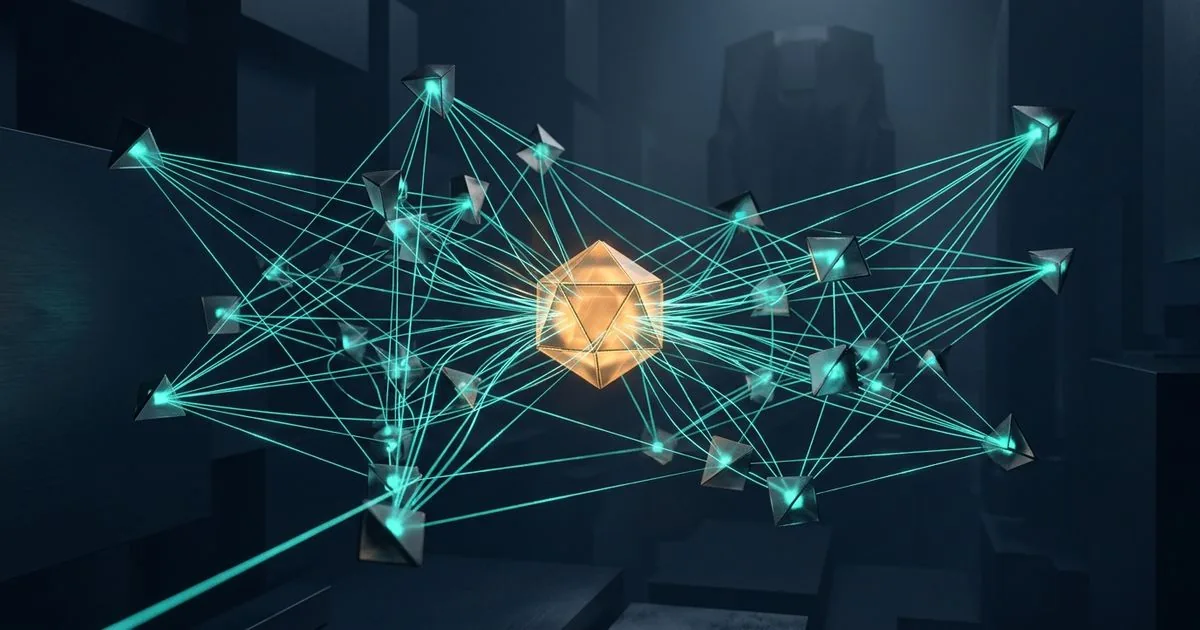
Gemini 4 Carbon: The Shift from Chat Models to Agent Swarms
Technical analysis of Gemini 4 Carbon: agent swarm architecture, engineering benchmarks, 1M token context with adjustable thinking, and real inference costs.
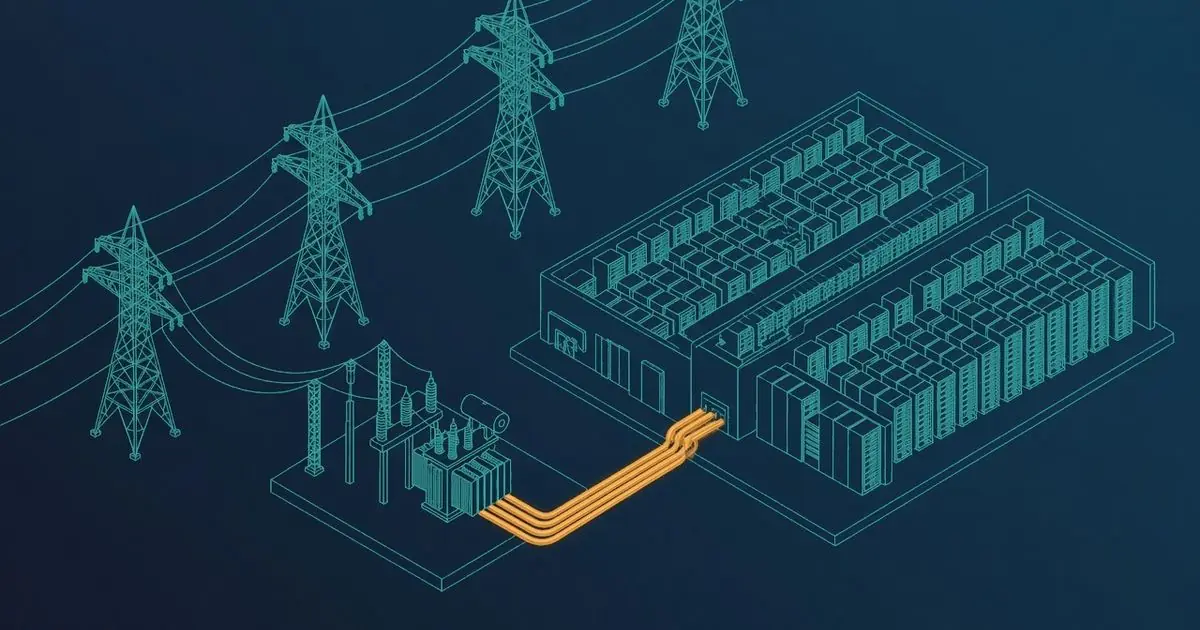
Brazil's AI bottleneck is not GPUs. It is the queue on the basic transmission grid
Data-center connection requests and access opinions on the national grid: how to read the EPE, ONS and press numbers without treating a queue as installed capacity.

Haiku 5.5: the 90% cut is not the bill you pay
Anthropic cut Haiku 5.5 prices by up to 90%, but the new tokenizer counts about 30% more tokens. Here is how to price a finished task.

The WhatsApp bill with AI: what Meta charges and what to automate
Since August, Meta charges tokens on the Business Agent; since October, service and utility too. What to automate, what to keep human, and how to run the numbers.

Vibe coding: the tools, and how to use them without creating a problem
What vibe coding is, which tools exist for programming by talking to an AI, and the steps that keep a security flaw from shipping.

Free Gemini after October 9: what stays unpaid
Since October 9, a Gemini account without a plan uses Auto mode. The notice and the models page disagree about AI Plus. Check the account selector.

The cloned-voice scam: how to recognize it and protect yourself
With a short audio clip, scammers imitate a relative's voice. The warning signs, a family code word, and what to do if the transfer already went out.

Technology is speeding up: how to keep up without getting lost
AI advances, shifting skills and no time to learn: what the research shows, and how to choose what deserves attention.

RPA vs. AI agents: the turn toward agentic automation
How traditional RPA differs from agentic process automation, where the engineering limits are, and how a hybrid model works in practice.
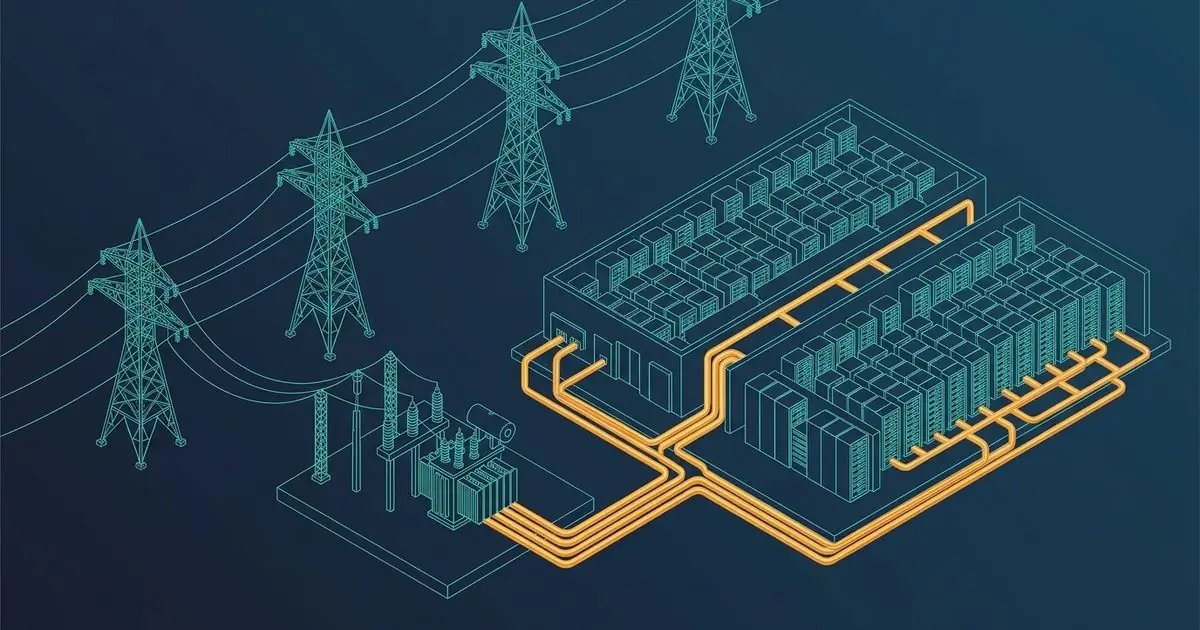
AI's electric wall: why data centers want nuclear plants
Why the advance of AI models ran into the power grid, and why technology giants signed contracts with nuclear plants.

TOPS and NPU: how to read the AI label on a chip without falling for the marketing
What TOPS and NPUs mean in phones and PCs, how brands measure that number at reduced precision, and what runs on the device versus in the cloud.

An agent harness: the gates that stopped a real error on this blog
An agent is a model plus a harness. The layer that decides quality is verification: the gates that already blocked a real error here, and the errors no gate catches.

What one multi-agent cycle costs: 6.67 million tokens
I opened the bill of an AI-agent cycle, round by round: where the tokens went, what the cheap gate saved, and why the dollar figure is a range.

n8n as an MCP server: when the agent calls your workflow on its own
Exposing workflows as AI tools reverses who presses the button. What changes in practice, what the MCP spec forbids, and what to check before you turn it on.

Project memory for AI: how not to start from zero every session
AI assistants forget the project when the session ends. A versioned Markdown file gives the context back: what to record, what to leave out, and why.

Why AI agents break outside the lab
Frontier models finish fewer than 25% of real professional tasks. The bottleneck is not intelligence. It is ambiguity, context and a trail, and those can be treated.

A content contract: where an AI pipeline can be wrong without publishing
A Zod schema as the API between the LLM and the repository: a closed taxonomy, SEO limits and a build that fails before the error reaches production. With a real case.

Scaled content abuse: what Google Search actually punishes
Google does not punish the use of AI. It punishes publishing at scale without real value for the reader. The policy, with its effective date and the official source.